Crunchyroll:FromPiracytoDominatingGlobalAnimeStreaming
The story of Crunchyroll represents the most improbable transformation in digital entertainment - a pirate site founded by college students that today is worth $1.175 billion, generates 40% of Sony Pictures' profits, and just raised its prices in February 2026.
Crunchyroll: From Piracy to Dominating Global Anime Streaming
The story of Crunchyroll represents the most improbable transformation in digital entertainment: a pirate site founded by college students that today is worth $1.175 billion, generates 40% of Sony Pictures' profits, and just raised its prices in February 2026, unleashing the fury of millions of fans. Meanwhile, AnimeFLV—its pirate counterpart in Spanish—receives 1.46 billion annual visits without ever achieving a similar transition. This analysis examines how piracy became an empire, what the recent price increase means, and why the Spanish-speaking market remains divided between legal and illegal options.

The Pirate Origins Nobody Wants to Remember
Crunchyroll was born on May 15, 2006 in a UC Berkeley dormitory, founded by four computer science students: Kun Gao, James Lin, Vu Nguyen, and Brandon Ooi. The name comes from a fried California roll—crunchy when you bite it—and from a friend's Battlenet alias. What began as a repository of fan-subtitled anime quickly became a phenomenon with 2.6 million unique visitors and 245 million monthly page views by January 2008.

The controversy erupted when Venrock, a venture capital firm founded with Rockefeller money, invested $4.05 million in February 2008 in what was, essentially, a for-profit piracy site. Funimation denounced that this would make "producing anime for the U.S. market impossible," while Bandai called it an "epidemic that will undermine the future of the business." The investors' argument was pragmatic: Crunchyroll had demonstrated massive unmet demand, and its community of millions of users represented convertible capital.
The Great Purge: The turning point came on New Year's Eve 2008, when Crunchyroll deleted thousands of pirated videos in what fans called "The Great Purge." Their library went from thousands of titles to barely 20 legal series. The gamble was risky: they lost most users, but one million stayed thanks to community features.
The complete transition took exactly 12 months from Venrock's investment to the total elimination of illegal content.
From Pirate Startup to Sony's Corporate Jewel
Crunchyroll's legitimization attracted a chain of acquisitions that exponentially multiplied its value. The Chernin Group (from former News Corp president Peter Chernin) bought a majority stake for $100 million in 2013. A year later, AT&T and Chernin formed Otter Media with a $500 million investment commitment, placing Crunchyroll under the umbrella that would eventually belong to WarnerMedia.
| Year | Event | Valuation/Price |
|---|---|---|
| 2008 | Venrock Investment | $4.05 million |
| 2013 | Chernin Group Acquisition | $100 million |
| 2014 | Otter Media Formation | $500 million |
| 2018 | AT&T buys Otter Media | ~$1 billion |
| 2021 | Sony/Funimation acquires Crunchyroll | $1.175 billion |
The definitive acquisition came on August 9, 2021, when Sony completed the purchase for $1.175 billion in cash. The March 2022 merger with Funimation eliminated the only real competitor, creating a catalog of over 50,000 episodes and consolidating control of 75% of all anime available in streaming.
By 2025, Crunchyroll reached 17 million paid subscribers—tripling the 5 million from 2021—and 120 million registered users.
The Price Increase That Enraged the Community
On February 2, 2026, Crunchyroll announced increases that took effect immediately for new subscribers, with changes for existing users starting March 4. It's the first increase to the basic Fan plan in the United States since 2019.
New monthly prices in the U.S.:
- Fan: $7.99 → $9.99 (+25%)
- Mega Fan: $11.99 → $13.99 (+17%)
- Ultimate Fan: $15.99 → $17.99 (+12.5%)
In Spain, the Fan plan went from €4.99 to €5.99, while in Mexico it went from $119 to $129 pesos. Curiously, the annual Mega Fan rate in Spain dropped from €64.99 to €59.99, a sign that it wasn't connecting with users.
The reaction was overwhelmingly negative. On Reddit, users expressed massive frustration with comments like "They just couldn't resist getting more money" and threats to return to piracy. On Twitter/X, user @spib234 captured the general sentiment: "Crunchyroll formed to help combat piracy of anime, now they've just pushed more people toward it. Happy Sailing."
The timing was particularly criticized: the increase came just weeks after eliminating the free ad-supported plan on December 31, 2025.
Crunchyroll justified the increase citing rising licensing costs—anime generated €27,000 million in exports in 2024—and promised new features: multiple profiles, skip intro/outro option, and offline download now included in the basic plan. However, users responded by pointing out that the player still has technical issues, subtitles have errors attributed to AI, and Castilian Spanish dubs have been reduced.
AnimeFLV Remains King of Spanish-Speaking Piracy

AnimeFLV
1.46 billion annual visits
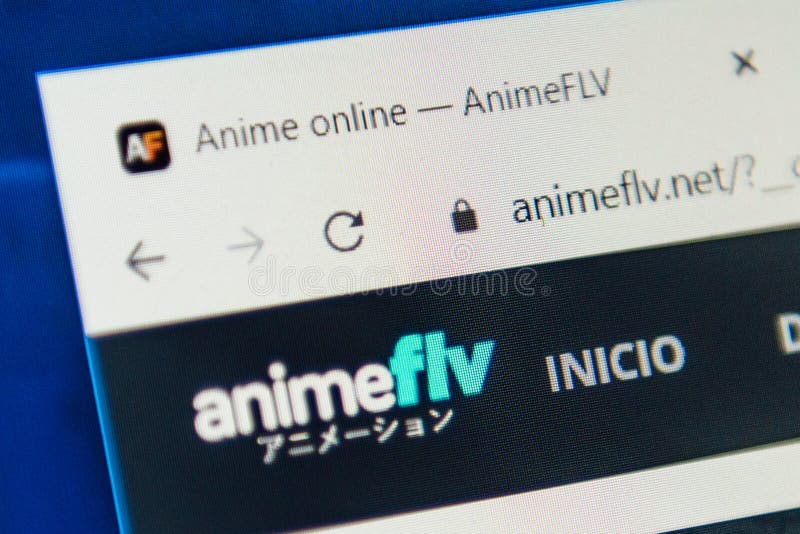
Web Interface
2,000+ available series
While Crunchyroll completed its corporate metamorphosis, AnimeFLV consolidated itself as the largest Spanish-language anime piracy site without ever attempting a similar transition. Currently operating at www3.animeflv.net after a DDoS attack in 2024, the site recorded 1.46 billion visits between July 2023 and July 2024, with a monthly average of 185-300 million—figures that triple Crunchyroll's direct visits.
The Motion Picture Association identified AnimeFLV as a "priority site" in its October 2024 report to the U.S. Trade Representative's Office, revealing that its servers allegedly operate from Peru, Chile, and Mexico. The site was blocked in Peru in 2022 by INDECOPI order, but remains accessible through alternative domains and VPNs.
Why do millions prefer AnimeFLV over legal options? The answer is economic and catalog-based. In economies with rampant inflation like Argentina, a monthly subscription represents a significant expense. Additionally, AnimeFLV offers over 2,000 series including classics and rarities not legally available, with episodes uploaded 24-48 hours after the Japanese premiere.
In 2020, rumors emerged that the operators were behind Anime Onegai, a legal platform for Latin America, but there was never confirmation and AnimeFLV continued streaming licensed content without authorization. Anime Onegai, for its part, announced its closure for October 2025.
How Crunchyroll Achieved the Impossible
The success of the piracy-to-legitimacy transition is explained by a combination of unrepeatable factors.
Perfect Timing
In 2008, there were no legal anime streaming alternatives, and Japanese studios—particularly Gonzo, which was going through financial difficulties—were willing to experiment. The first simulcast agreement in April 2008 with "The Tower of Druaga" demonstrated that fans would pay to watch episodes hours after Japan.
Converting the Community
Crunchyroll converted its greatest illegal asset—the fansubber community—into legal human capital. Many amateur translators were professionally hired, transforming unpaid work into legitimate jobs while legitimizing the platform from within.
The Freemium Model
The free tier with ads served for massive user acquisition, while premium eliminated the one-week wait for new episodes. This strategy achieved an optimized conversion rate that increased average revenue per user by 12%.
A Unique Case: It's important to recognize that Crunchyroll is the only known case of a for-profit pirate site that managed to fully legitimize and become an industry leader. Napster was destroyed by lawsuits before it could transform. YouTube had a legal gray area but was acquired by Google before a major crisis. Spotify was born legal. The Crunchyroll case is genuinely unique, and as Goldman Sachs notes, it will generate 36% of all Sony Pictures Entertainment profits by 2028.
The Anime Market: A Duopoly with Piracy Cracks
The global anime market was valued between $31.9 and $35.4 billion in 2024, with projections to reach $64-72 billion by 2032-2035. The specific streaming segment represents $7.5-7.7 billion currently, projected to double by 2030. North America leads with 38% of revenue and the fastest growth in the world (CAGR 16%).
Crunchyroll and Netflix together dominate more than 80% of the market for anime streaming outside Japan. While Crunchyroll controls 75% of licenses with 1,800+ titles, Netflix counterattacks with originals and co-productions, having generated over one billion views of anime in 2024. The January 2026 announcement of an exclusive partnership between Netflix and MAPPA (studio behind Jujutsu Kaisen and Chainsaw Man) shook the industry.
Disney+ grows cautiously (Bleach, Tokyo Revengers), HIDIVE serves the "rare" content niche at $4.99/month, and Amazon Prime Video remains a secondary competitor. However, platform fragmentation—the need for multiple subscriptions to watch all content—continues to fuel piracy: 8 of the 10 most pirated TV shows in 2024 were anime, according to MUSO data.
Latin America: Where Anime Is Most Loved and Least Paid For
A surprising finding emerges from research: Latin America has the highest anime preference in the world—28% of users choose it as their favorite, versus 17% in Asia-Pacific and 16% in North America—but represents barely 5-9% of the global market. The Latin American market value in 2024 was $1.85 billion, with Mexico leading projected growth.
This gap between demand and monetization explains AnimeFLV's persistence. While Crunchyroll offers Latin Spanish dubs and simulcasts, regional licensing restrictions, relatively high prices for local economies, and fragmented catalogs push millions toward illegal options. The elimination of Crunchyroll's free plan and the recent price increase will only deepen this trend.
Conclusion: Between Legitimacy and Accessibility
Crunchyroll demonstrates that piracy can signal unmet demand without being an inevitable destination. Its transition from an illegal site to generating billions of dollars annually for Sony is a unique case study in digital entertainment history. However, the recent price increase and elimination of the free tier reveal the tensions of serving both shareholders and fans.
AnimeFLV, for its part, illustrates the limits of this model in markets with lower purchasing power. Despite increasing legal pressures, it remains the undisputed reference for millions of Spanish speakers who cannot or will not pay for subscriptions.
The anime streaming market will continue to grow exponentially, but as long as platform fragmentation persists and prices rise, piracy will continue to be the escape valve for a global community of 800 million fans who simply want to watch anime.
Sources
History and Trajectory of Crunchyroll
- Wikipedia — Crunchyroll
- Britannica Money — Crunchyroll LLC | History, Industry, & Facts
- CanvasBusinessModel — Brief History of Crunchyroll
- TechCrunch — Copyright Infringement Continues To Pay: $4 million For Crunchyroll
- Anime News Network — Video Site with Unauthorized Anime Gets US$4M Capital
- Medium (Misfit Otaku) — From Piracy to Powerhouse: The Business Evolution of Crunchyroll
- The Japan Times — Former piracy site Crunchyroll cashes in on anime's global appeal
Subscribers and Growth
- Yahoo Finance — Crunchyroll Passes 15 Million Monthly Paid Subscribers
- Variety — Sony's Anime Streamer Crunchyroll Is a Rare SVOD Success Story
- Amplitude — Driving engagement and ARPU for Crunchyroll's 50-million streaming video users
2026 Price Increase
- Vandal — El anime sube de precio: Crunchyroll confirma nuevas tarifas
- PlayerOne — Crunchyroll Aumenta los Precios de Todos los Planes
- El Financiero — Crunchyroll sube sus precios para México
- Daily Dot — Anime fans react to Crunchyroll ending its free ad-supported streaming
AnimeFLV and Spanish-Language Piracy
- Tecnobits — ¿Qué es AnimeFLV? Historia, legalidad y estatus en 2025
- MultiAnime — La Piratería en el Mundo del Anime: La MPA Denuncia a AnimeFLV y Cuevana
- Kudasai — AnimeFLV y Cuevana en la mira de Estados Unidos
Global Anime and Streaming Market
- Yahoo Finance / SNS Insider — Anime Market Size to Surpass USD 64.4 Billion by 2032
- Variety — With Anime Market Projected to Triple, Netflix and Crunchyroll Poised to Dominate
- Parrot Analytics — Netflix and Crunchyroll Poised to Dominate
- Grand View Research — Latin America Anime Market Size & Outlook, 2024-2030
- What's on Netflix — A Billion Views and Counting: Future of Anime on Netflix
- ScreenRant — Most-Pirated Shows of 2024 Were All Anime
Last updated: February 2026
Disclaimer: This analysis is for informational and educational purposes only. It does not endorse or encourage piracy. Support creators by using legal streaming services when possible.